

.svg)

How Solar Power Works for New Zealand Homes
Solar is everywhere now, but when homeowners actually start to consider it, the same question comes up: how does solar power really work in a New Zealand home?
Not in theory, but in everyday life, solar needs to work around how your home actually runs. Power bills, cloudy days, winter usage, and what actually happens once the panels are on the roof, among others. Understanding how solar works at a practical level makes it easier to decide whether it suits your home and how to get real value from it.
From working with households across the country, Harrisons Solar encounters this often. Solar itself isn’t complicated. Confusion usually comes from not understanding how the system behaves once it’s connected and running from day to day. By learning some of the basics of solar power, you can make an informed decision about using it in your home.
How Solar Panels Generate Electricity
Solar panels produce direct current electricity (DC) when sunlight hits them. This DC electricity is sent to an inverter, which converts it into alternating current (AC), which your home uses.
Power is immediately available after conversion. Lights, appliances, heating, and electronics can all run directly from solar energy while it is being generated. This is the foundation of how solar panels work.
What Happens to Solar Power Inside the Home
This is where many people are surprised.
Solar power is always used inside your home first. If your panels are producing electricity and your home is using power at the same time, that solar energy is consumed straight away. This reduces how much electricity you need to buy from the grid during the day.
When the system produces more power than the home needs, the extra flows back to the grid. Your electricity provider credits this export at a buy-back rate. Over time, this reduces reliance on the grid, which lowers power bills and makes costs easier to predict from month to month. So those extra sunny months might end up saving you some costs later on. At the same time, those more cloudy days can also charge your panels. This is because solar power generates energy from daylight, not just direct sunlight. Even in winter, with up to 9-10 hours of light, there is still plenty of time for energy to be saved.
Understanding how this balance works early on helps you avoid common solar installation mistakes, especially assumptions about how much power will be exported or saved. Understanding the solar power process will help you and your household make the best decision for your place.
Do You Need a Solar Battery?
Solar batteries don’t change how much electricity your panels generate. What they change is their timing.
Instead of sending excess solar back to the grid during the day, a battery stores it so it can be used later, usually in the evening when household demand increases. For some homes, that means less grid usage overnight. For others, it provides backup power during outages.
Many households start with panels only and see strong savings straight away. Others prefer to include solar battery storage from the start, especially if evening usage is high. Leaving space for a battery in the initial design keeps future upgrades straightforward if needs change later. Futureproofing your home in this way can allow for further expansion in the future.
Why Solar Behaves Differently in New Zealand
Solar output isn’t consistent across the year. Generation peaks in summer when days are longer, while electricity use often rises in winter due to heating and shorter daylight hours.
That seasonal mismatch is normal in New Zealand homes. That's why performance should be judged over a full year rather than just summer. Roof angles, shading, and daily routines all influence how much solar power a home actually uses. From family to family, there will be unique habits and behaviours as far as how power is used in the home. It's best to consider all factors when installing your solar setup, and make sure you know how to use it.
Systems designed with these realities in mind tend to feel far more reliable once they’ve been through a few seasons.
When Solar Starts to Make Sense
Solar works best when it’s planned around how a household actually lives. That includes current power use, likely changes over time, how the roof performs throughout the day, and what the system may need to support in the future. Winter dictates usage, and often many appliances are on the go. It’s worth planning for these months.
Homes that rush through these decisions often still save money, but the system never quite feels like the right fit. Taking the time to align your design with real usage usually leads to steady savings and fewer adjustments later on. Think about your home's location, usage, and expansion plans before you start your solar panel journey.
This is where practical experience matters more than theoretical calculations.
Getting Solar Right With Harrisons Solar

Harrisons Solar works with homeowners to understand how solar will operate in their specific home, not just how the technology works in general. That means looking closely at power bills, roof layout, shading, and how the household uses electricity day to day. As experts here, we can guide you in building the right setup for you and your home.
When solar is designed this way, it settles into the background. Bills come down, performance stays consistent, and the system does what it’s meant to do without constant attention. Your solar power set-up will be ticking away, out of view, providing power to your household sustainably and effortlessly. If a stress-free power solution sounds good, then solar power could be a fantastic option.
With Harrisons Solar, a free in-home consultation helps turn solar from an idea into a clear, practical plan. We consider solutions based on your address and usage. Our team of solar experts helps you set up your solar system from beginning to end. Free in-home consultations will help you get on board. Going solar has never been more accessible with our resources, materials, and know-how.
Book your free quote
Book a free, no-obligation on-site assessment at a time that suits you. We'll size up your roof, talk you through your options without the jargon, and give you a proposal on the spot.

How we've helped our customers
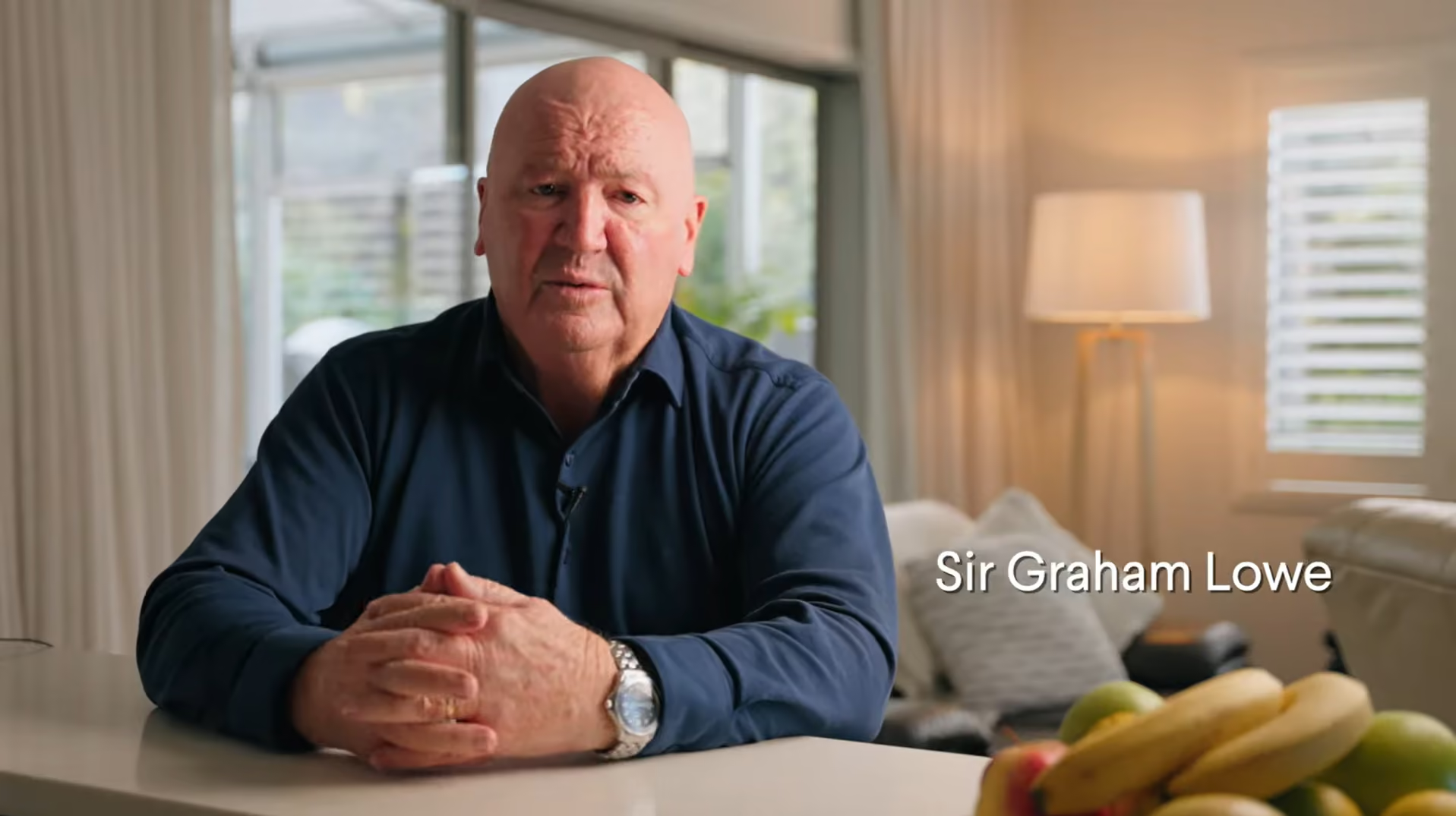
Hear from customers on how solar has made a real dent in their power bill.


Get your Beginners
Guide to Solar
Download our guide to learn:
How solar saves you money
How a solar system works
If your roof is right for solar
How to choose an installer
And more