

.svg)
Your 10-Point Checklist To Tell Which Solar System Is Right For You
Although domestic Solar Systems are becoming more and more popular, finding out what they do, how they do it and how they benefit Kiwi households can seem a daunting proposition.
Because few areas of technology are moving as fast as those investigating efficient and clean methods of generating power from renewable sources, it is difficult to keep up to date with new hardware and capabilities.
The checklist cuts through the confusion so you know the key areas to concentrate on.
Each household also has different requirements - from the working family where the home sits idle most of the day and power consumption is at its peak in the evenings, to older couples or people who work from home who use most of their power during the day. Every home has its own unique features, from roof space to latitude. This means that there's no one-size-fits-all approach to choosing a Solar System and we always advise a consultation with one of our experts to finalise what's right for you.
But to get the ball rolling here are the broad themes you need to explore to understand how Solar can revolutionise your home's power consumption and make a serious dent in your power bills.
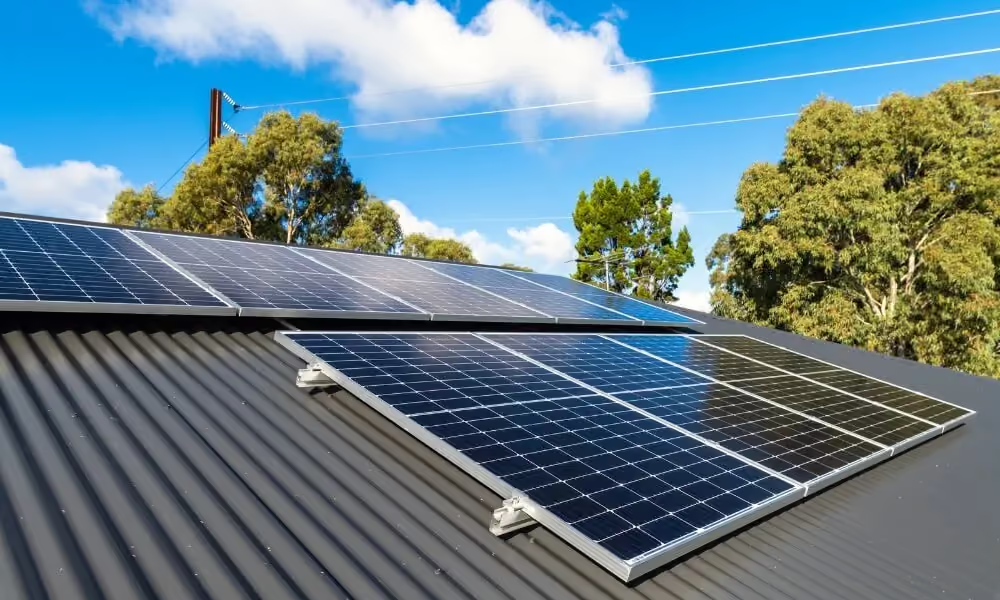
1.The more power you use the more Panel-power you'll need. It seems obvious, but the effectiveness of your System relies ultimately on the amount of electricity your Panels can convert from the sun's rays. This means knowing the number of Panels you may need, the amount of roof space you have available, and how efficient and effective those Panels are in producing usable power.
2.Not all Panels are created equally. Panels tend to look the same, but how well they operate can be widely different. Harrisons believes It's important to choose a reputable brand
3.Inverters. Although the Panels are the outward, obvious sign of a home's Solar System, the inverter is the real brains of the operation. They convert the direct current (DC) electricity produced by the Panels into the usable alternating current (AC) that powers your home's appliances. This is another area where advances in technology are leading to greater efficiency, more slimline models and the ability to monitor your System remotely. It all depends on budget and the type of System you choose.
4.Batteries. Possibly the most exciting advances in Solar tech in recent years have been in battery storage to the point where we now believe they will be the norm for all New Zealand households in the not-too-distant future. Capture your power during the day, store it, and then use it when you need it, even if the grid fails.
5.Make sure your Solar System is battery ready. Although the cost of batteries and individual household needs may mean they're not for everyone now, Harrisons still believe they will play a part in household energy Systems soon. So, it is vital for the futureproofing of a System and preventing the need of having to pay for high-cost conversions that any System installed has the potential to be hooked up to battery storage.
Book your free quote
Book a free, no-obligation on-site assessment at a time that suits you. We'll size up your roof, talk you through your options without the jargon, and give you a proposal on the spot.

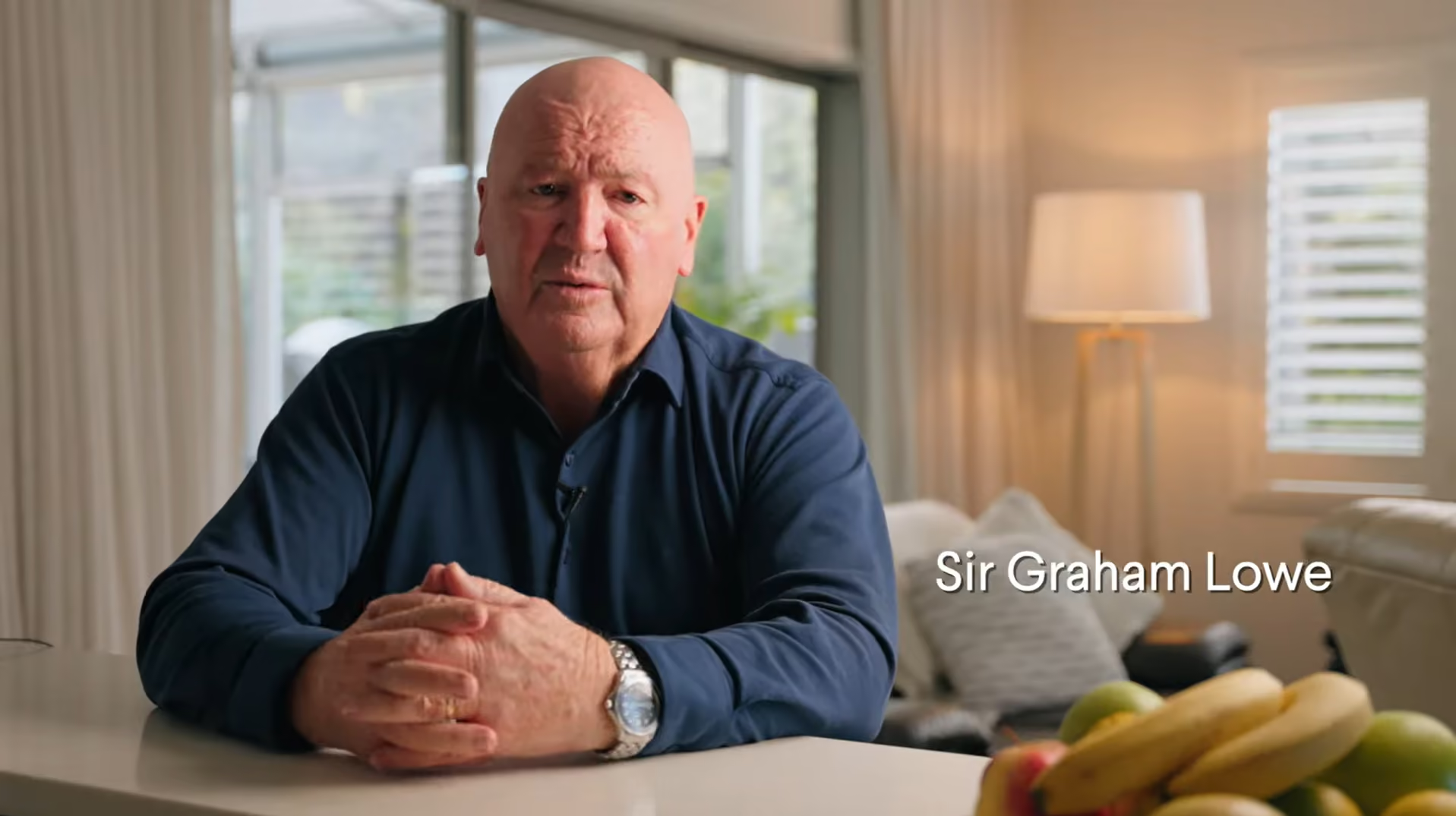
How we've helped our customers
Hear from customers on how solar has made a real dent in their power bill.


Get your Beginners
Guide to Solar
Download our guide to learn:
How solar saves you money
How a solar system works
If your roof is right for solar
How to choose an installer
And more