

.svg)
.avif)
Solar Panels Without a Battery: Does It Still Make Sense?
Plenty of Kiwi homeowners assume solar panels without battery storage are only half a system. In reality, that depends on how your home uses power and what you want solar to do first. For many households, starting with panels alone is still a sensible way to take control of your power, lower daytime grid use, and get moving without overcommitting on day 1.
Here’s the simple version of when solar-only can work well, when a battery may help, and how to plan ahead if you might want one later.
Myth 1: Solar without a battery is pointless
Reality: Solar panels can still do useful work without a battery. During the day, your system makes power that your home can use as it is produced. That means you can draw less from the grid while the sun is up.
The power you use yourself at home is usually the most valuable part. In New Zealand, power used in the home often offsets retail import costs around 30-38c/kWh. If your panels make more than you are using at the time, the extra goes back to the grid and your retailer pays a buy-back rate, commonly around 7-17c/kWh depending on the plan.
What to do instead: Look at your daytime usage first. If someone is home during the day, or you can shift things like washing, dishwashing, or EV charging into sunny hours, solar-only may still make solid sense.
Myth 2: You should buy everything at once
Reality: A staged approach is often a practical way to start. Some families want to begin with solar panels now, then revisit a battery later if their budget, routines, or goals change.
That can be especially relevant if you expect an EV, different work-from-home patterns, or a change in household usage over the next few years. You do not need to solve every future energy decision on day 1.
What to do instead: Plan stage 1 properly. Ask for a system recommendation tailored to your roof, your bill, and the way your household uses power now, with battery-ready planning discussed upfront if it could matter later.
Myth 3: A battery is always smarter financially
Reality: A battery can be worthwhile in the right setup, but it is not automatically the best first investment for every home. The value depends on your usage pattern, your retailer plan, how much solar power you can use yourself, and what you want the system to achieve.
For some homes, putting the budget into a well-sized solar system first is the clearer starting point. For others, batteries for solar panels may become more appealing if evening use is high or backup matters more to the household. The right answer comes from your home’s numbers, not a generic package.
What to do instead: Compare solar-only and solar-plus-battery based on your actual usage, priorities, and future plans. A good recommendation should explain the trade-offs without the jargon.
Myth 4: Skip it now, regret it later
Reality: Good planning can leave room for a later upgrade. If you are thinking about solar batteries NZ options down the track, it is worth raising that early so the stage-one design reflects where your household may be heading.
That does not mean overbuilding everything today. It means talking through likely changes such as an EV, more daytime use, or stronger interest in storing some of your solar power for the evening. It can also mean checking equipment compatibility and discussing how future additions may fit the original system.
What to do instead: Ask for stage-one solar planning with battery-ready options if your circumstances change. That keeps the first step practical while leaving the door open.
Myth 5: Batteries are for everyone
Reality: Backup power and extra evening storage matter more to some households than others. A battery stores the power your panels make in the day so you can use it later, which can be helpful if your home uses most of its power after dark or if backup is a higher priority for your family.
But that value is personal, not universal. Some households are mainly focused on making a real dent in their power bill and getting the basics right first. Others place more weight on backup and flexibility.
What to do instead: Weigh your priorities clearly. If bill relief matters most right now, solar-only may be the better first step. If backup or evening usage sits higher on the list, a battery may deserve a closer look.
Why this myth sticks
Solar, batteries, EVs, and home energy tech are often marketed together, so it can sound like the full package is the default. For many Kiwi homes, the better place to start is simpler: understand how your home uses power now, then build from there.
Practical next steps
- Look at when your household uses the most power.
- Decide whether your main priority is bill relief, backup, EV planning, or a staged mix over time.
- Ask for a system recommendation tailored to your roof, layout, and usage.
- Discuss whether battery-ready planning makes sense now.
- Book an on-site assessment if you want a clear stage-one plan with room to grow.
At Harrisons Solar, we keep it practical. We’ll come round, look at how your home uses power, and talk you through the best first step in simple language. If a battery makes sense now, we’ll say so. If solar panels without battery storage are the better starting point, we’ll say that too.
FAQS
Can solar panels work without a battery?
Yes. Solar panels make power during the day, and your home can use that power as it is generated. Any extra usually goes back to the grid for a buy-back rate, so a battery is helpful in some homes but not required for solar to be worthwhile.
When does a battery make more sense?
A battery may be more useful if your household uses a lot of power in the evening, wants some backup capability, or expects future changes such as an EV. The value depends on your usage pattern, retailer plan, and what you want the system to do.
Can I add a battery later?
Often, yes, but it is better to raise that possibility early. A stage-one solar plan can include battery-ready thinking around your likely future usage, equipment compatibility, and whether an upgrade path makes sense for your home.
Book your free quote
Book a free, no-obligation on-site assessment at a time that suits you. We'll size up your roof, talk you through your options without the jargon, and give you a proposal on the spot.

How we've helped our customers
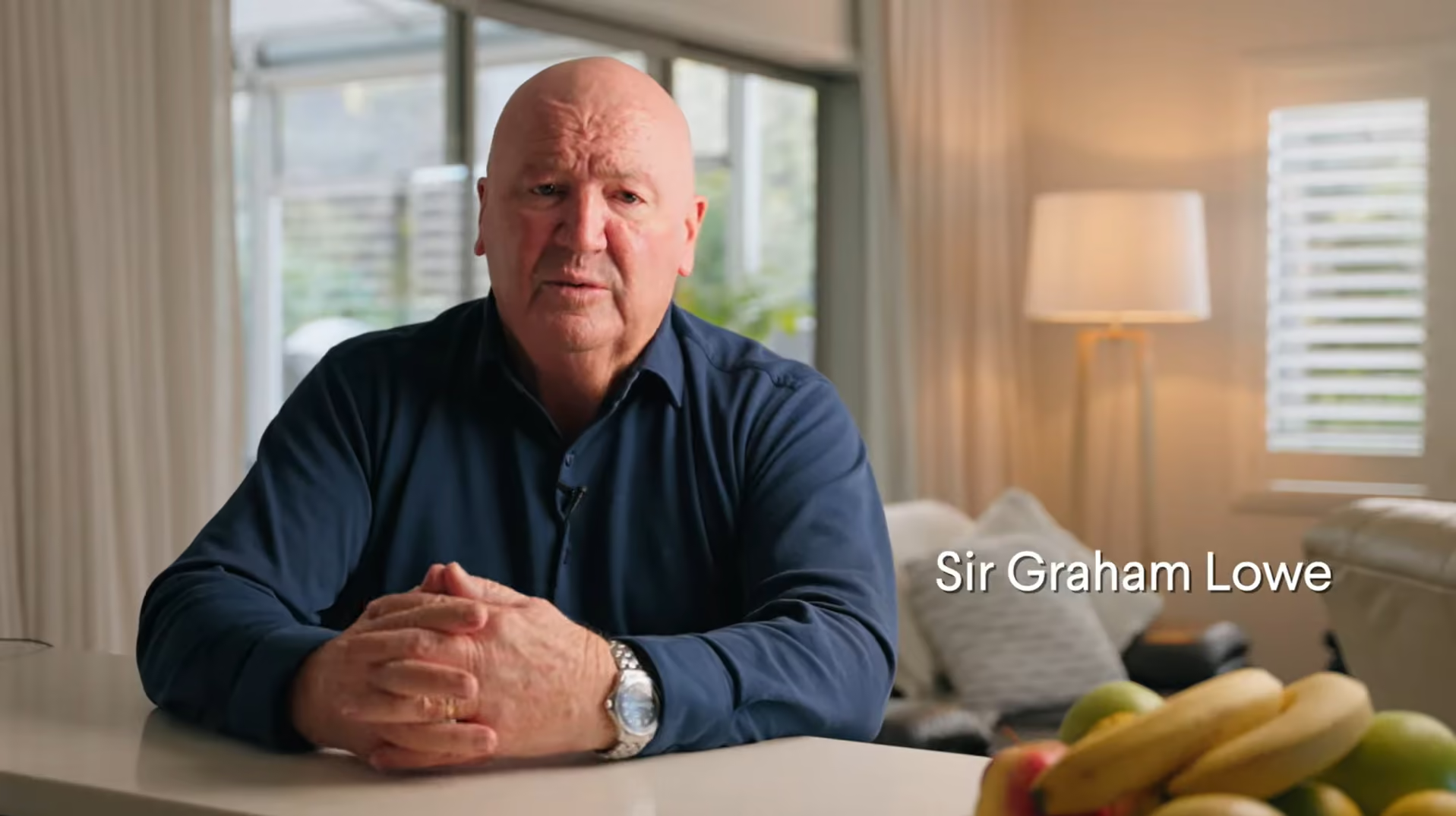
Hear from customers on how solar has made a real dent in their power bill.


Get your Beginners
Guide to Solar
Download our guide to learn:
How solar saves you money
How a solar system works
If your roof is right for solar
How to choose an installer
And more