

.svg)
.avif)
Why Local Support and National Backing Matter Together
When you're comparing solar for your home, it can feel like you have to choose between a local provider who knows your area and a bigger brand with wider backing. In practice, the better question is what support you'll have over the life of the system. Who comes round to assess your home, who explains the recommendation clearly, without the jargon, who installs it, and who helps later all matter. The strongest setup often combines local accountability with established national backing.
The pattern
Across real homeowner decisions, confidence usually rises when you can deal with a local person who knows your area and still see clear proof, process, and support behind them. That mix matters long after the panels are on the roof.
6 lessons from the field
1. A named local contact changes the experience
Lesson: Solar feels lower risk when you know exactly who you're dealing with from the start.
Example: A homeowner comparing home solar panels may have questions about roof layout, shading, timing, or what happens after installation. It helps when your local Harrisons solar business owner comes round, measures the home, talks through the options, and stays part of the picture after install.
What to do next: Ask who your ongoing contact will be after the quote, during install, and once the system is up and running.
2. Local knowledge shapes better advice
Lesson: Good recommendations are tailored to your home, your region, and how you use power.
Example: A roof in Wellington may need different thinking from one in Waikato or Southland. Wind, humidity, frost, shading, roof pitch, and your household pattern all affect what sensible advice looks like. The best recommendations for solar for your home are grounded in those details, not just a standard package.
What to do next: Ask how the recommendation reflects your roof, your area, and your day-to-day usage.
3. National backing reduces long-term risk
Lesson: A solar system is a long-term purchase, so support structure matters as much as the install itself.
Example: If you're weighing up solar power companies, you're really asking what happens years later if you need help understanding performance, paperwork, or workmanship support. Harrisons Group has been in Kiwi homes for over 60 years, and Harrisons has been in solar for 15 years. That does not guarantee every outcome, but it is relevant proof that the business behind the system is established.
What to do next: Look for visible proof of years in Kiwi homes, documented guarantees, customer care support, and a clear explanation of how support works after install.
4. Good support should be visible early
Lesson: You can usually tell what after-sales support will feel like before install day arrives.
Example: During a strong on-site assessment, the process is clear. You know what happens at the visit, what the proposal includes, how the installation process works, what the install steps are, and who to call if you need help later. Clear answers without the jargon and realistic expectations are a good sign.
What to do next: Ask what happens after the system goes live, who handles questions later, and what support is included in writing.
5. The best setup is people plus process
Lesson: Personal service matters, and so does the structure behind it.
Example: For a homeowner planning solar for their home, a friendly local relationship is valuable, but it works best when it is backed by established systems. That can include an in-home service model, a customer care team, a clear install journey, and a 10-year workmanship guarantee in writing. With Harrisons you don't just get panels. You get people.
What to do next: Ask both how the personal relationship works and what sits behind it operationally once your system is installed.
6. Trust is easier to assess when proof is specific
Lesson: Trust is easier to judge when the evidence is concrete.
Example: If a provider says they're trusted, look for proof you can actually check. Relevant signs might include the quality of Google Reviews, any industry awards, accreditations, warranties and guarantees. Used together, those details tell you more than a polished claim ever will.
What to do next: Compare providers on evidence you can verify, not just broad statements about service or quality.
What we do differently
One lesson we've learnt over the years is this: long-term support should be part of the solar decision from day 1. If a homeowner leaves a quote process still unsure who supports them after install, what happens if they need help, or what backing sits behind the local relationship, the provider has not made the value clear enough.
Today, we encourage more direct questions sooner. Ask who your local contact is, what the national support structure includes, and how workmanship support works in practice. Those answers can tell you as much as the panel spec.
Why this matters for your home
Choosing solar for your home in New Zealand is about more than the hardware on the roof. It is also about choosing people who will still be there when you need them, with a local Harrisons Solar business owner in your area and established backing behind that relationship. That combination can make the whole process feel clearer, steadier, and easier to trust.
FAQs
What does national backing mean in practice for a solar customer?
It usually means there is a wider support structure behind the local relationship, such as established processes, customer care support, documented guarantees, and a recognised brand presence. For homeowners, that can make it easier to understand who to contact and what support sits behind the install over time.
Who do I contact after installation?
That should be clear before you go ahead. A good provider will explain who your local contact is after install, what the wider support team does, and what is covered in writing. If that part feels vague during the quote stage, keep asking questions.
Why does local knowledge matter for a solar recommendation?
Solar recommendations depend on more than panel count. Roof shape, shading, local weather, and how your household uses power all affect what will suit your home. A local person who knows the area can help make the advice more practical and more relevant.
Book your free quote
Book a free, no-obligation on-site assessment at a time that suits you. We'll size up your roof, talk you through your options without the jargon, and give you a proposal on the spot.

How we've helped our customers
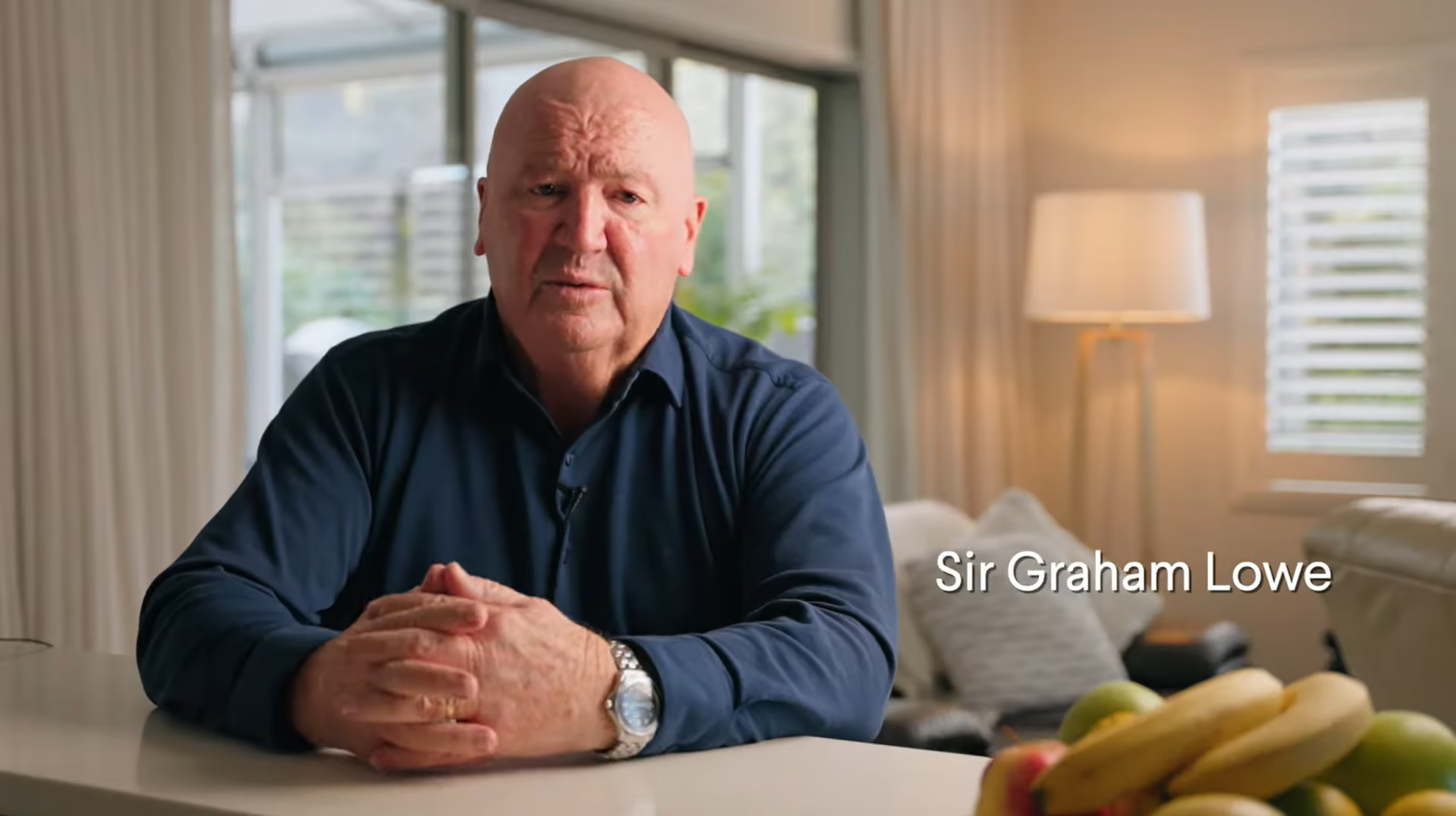
Hear from customers on how solar has made a real dent in their power bill.


Get your Beginners
Guide to Solar
Download our guide to learn:
How solar saves you money
How a solar system works
If your roof is right for solar
How to choose an installer
And more